
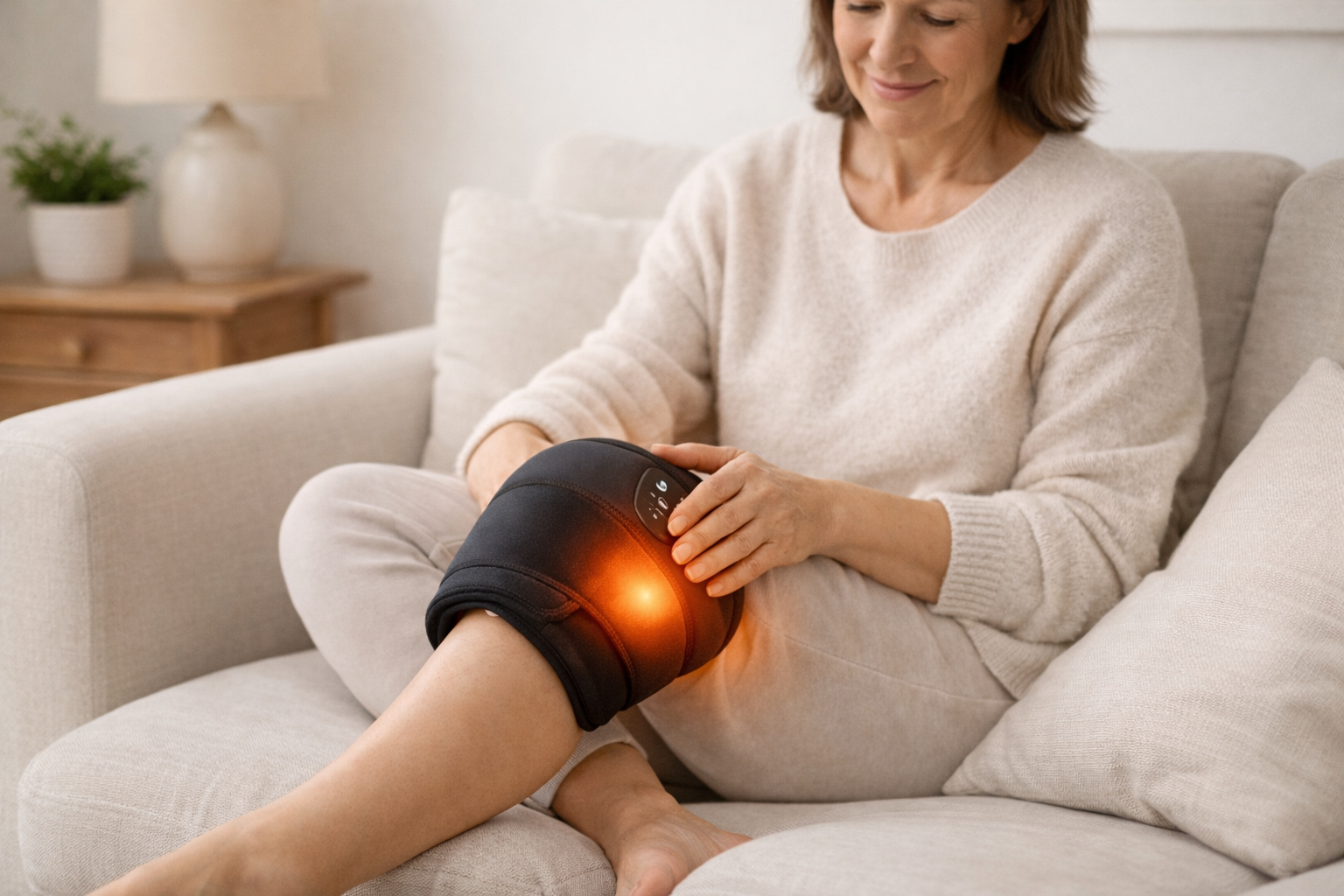
If your knees ache when you get out of bed, feel stiff after sitting too long, or complain every time you climb stairs, you’ve probably asked yourself:
Is heat massage actually good for knee pain or am I making it worse?
The honest answer is yes, heat massage can be very helpful, but only in the right situations. When used correctly, it can ease stiffness, relax tight muscles, and make everyday movement feel smoother. When used at the wrong time, it can increase swelling and discomfort.
Let’s walk through when heat massage helps, when it doesn’t, and how to use it safely so your knees get relief instead of irritation.
When heat massage helps knee pain
Think of heat like warming up a cold engine. You wouldn’t floor the gas without warming things up first. Your knees work the same way.
Heat massage works best for chronic, stiff, or tight knee pain, not fresh injuries.
1) Knee osteoarthritis (OA)
Heat massage is especially helpful for people with knee osteoarthritis, one of the most common causes of long‑term knee pain.
Studies show that heat therapy:
- Reduces knee pain and stiffness
- Improves joint flexibility
- Makes daily activities easier
Massage therapy on its own has also been shown to reduce pain and improve physical function in people with knee OA. When heat and massage are combined, results are often stronger.
For a clear, expert explanation of how heat works for knee pain and when to use it, see ThermaCare’s overview on heat therapy for knee issues. They note that after the first few days of an injury, heat is usually advised and explain the mechanisms by which warmth helps stiffness, circulation, and comfort. ThermaCare
2) Muscle tightness around the knee
Knee pain doesn’t always start in the knee itself.
Tight muscles in the:
- Quadriceps (front of the thighs)
- Hamstrings (back of the thighs)
- Calves
can pull on the knee joint and increase pain.
Heat massage helps by:
- Relaxing tight muscles
- Reducing muscle spasms
- Improving flexibility
It’s like loosening a tight knot in a rope once the tension eases, everything moves more freely.
3) Morning stiffness or stiffness after sitting
If your knees feel stiff when you wake up or after long periods of sitting, heat massage can help them “wake up.”
Applying heat before movement:
- Warms stiff tissues
- Reduces that locked‑up feeling
- Makes walking and bending easier
This is why heat is often recommended before activity or stretching, especially for chronic knee pain.
4) Chronic knee pain without swelling
For dull, aching knee pain that isn’t swollen or red, heat massage can:
- Increase blood flow
- Deliver oxygen and nutrients to tissues
- Calm pain signals sent to the brain
This type of pain often responds better to warmth than cold.
5) Heated knee massagers and combination therapy
Newer research shows strong benefits from devices that combine:
- Heat
- Massage or vibration
- Gentle pressure or other supportive therapies
In older adults with knee osteoarthritis, these devices significantly improved pain, stiffness, and daily function sometimes with benefits lasting beyond the treatment period.
For people who want easy, at‑home relief, these tools make it more practical to use heat every day without much effort.
How heat massage works inside the body
Heat massage does more than feel good. It creates real physiological changes.
Increased blood flow
Heat causes blood vessels to widen, improving circulation to the knee and surrounding muscles. Better circulation helps:
- Flush out waste products
- Deliver oxygen and nutrients
- Support tissue recovery
Reduced muscle tension
Warmth relaxes muscles and connective tissue, which:
- Reduces pulling on the knee joint
- Decreases referred pain
- Makes movement smoother
Improved flexibility and range of motion
Warm tissues are more elastic. After heat massage:
- Stretching feels easier
- Joints move with less resistance
- Stiffness decreases faster
The pain gate effect
Heat and massage stimulate sensory nerves that compete with pain signals. This can reduce how strongly pain is perceived by the brain often called the pain gate effect.
When heat massage is not recommended
Heat isn’t always the right choice.
1) Swollen, red, or hot knees
If your knee is visibly swollen or warm to the touch, avoid heat. Heat can increase inflammation and swelling, especially during flare‑ups. Cold therapy is usually a better choice in these situations.
2) Recent injury (first 24–72 hours)
For new injuries like sprains or strains:
- Ice helps control swelling
- Heat may worsen inflammation
Heat is better once the acute phase has passed.
3) Open wounds or skin issues
Never apply heat over:
- Open cuts
- Rashes
- Skin infections
4) Reduced sensation or nerve damage
People with diabetes or neuropathy should be cautious. Reduced sensation increases the risk of burns.
5) Certain medical conditions
Heat therapy should be used cautiously if you have:
- Deep vein thrombosis
- Severe vascular disease
- Serious heart conditions
When in doubt, consult a healthcare provider.
How to use heat massage safely
To get benefits without risk:
Choose the right time
- Use heat for stiffness and chronic pain
- Use ice for swelling and recent injuries
Use gentle, controlled heat
- Apply heat for 15–20 minutes
- Use warm, not hot, settings
- Never sleep with a heating pad
Massage gently
- Avoid pressing directly on a painful kneecap
- Focus on thighs, hamstrings, and calves
Move after heating
- Do light stretching or gentle movement
- Take advantage of increased flexibility
Listen to your body
If pain increases or swelling appears, stop.
Easy way to start: a practical product you can buy
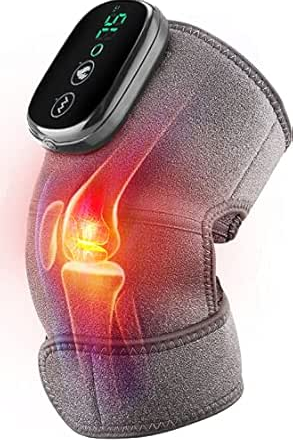
If you want a simple, at‑home tool that gives you heat plus gentle pressure or vibration, this is a convenient option. It’s portable, cordless, and built for exactly this kind of use.
Why this is useful
- Combines warmth and massage in one wrap, ideal for chronic stiffness or tight muscles
- Cordless design lets you wear it while moving around the house
- Built for frequent use, so it’s easy to make heat massage part of a daily routine
Good to know
- Exact pricing and availability can vary by seller. Check the listing before purchase.
- Always start on the lowest heat setting and follow instructions to avoid discomfort.
Ready to try one?
If you want to shop quickly, use this link:
👉 Shop a heated knee massager on Amazon a quick, convenient way to get started with heat massage at home.
https://amzn.to/3LjK0cT
When to see a doctor
Heat massage is supportive care, not a diagnosis.
See a doctor or physical therapist if:
- Pain is severe or worsening
- Swelling or redness increases
- The knee locks, gives way, or can’t bear weight
- Pain doesn’t improve after several days
A proper evaluation ensures you’re treating the right condition, whether it’s OA, a ligament injury, bursitis, or something else.
Final thoughts
So, is heat massage good for knee pain?
Yes when used correctly and at the right time.
It works best for:
- Chronic knee pain
- Osteoarthritis
- Muscle tightness
- Morning stiffness
It should be avoided during:
- Acute injuries
- Active swelling or inflammation
Used wisely, heat massage can be a simple, effective way to make your knees feel more comfortable and mobile helping you move through daily life with less pain and more ease.
One thought on “Is Heat Massage Good for Knee Pain? What Science and Experience Really Say”